
Modern electrical grids must continuously balance electricity generation and consumption. Even small differences between supply and demand can affect voltage levels, frequency stability, and overall system reliability. As renewable energy adoption increases, maintaining this balance becomes increasingly complex.
Battery Energy Storage Systems provide a flexible solution by acting as both an energy consumer and an energy supplier. During periods of excess electricity generation, batteries absorb and store surplus energy. When demand increases or generation decreases, that stored energy can be rapidly discharged back into the system.
This fast response capability makes battery storage one of the most effective technologies for supporting grid stability. Unlike conventional power plants that may require several minutes or even hours to adjust output, battery systems can react almost instantly to changing grid conditions.
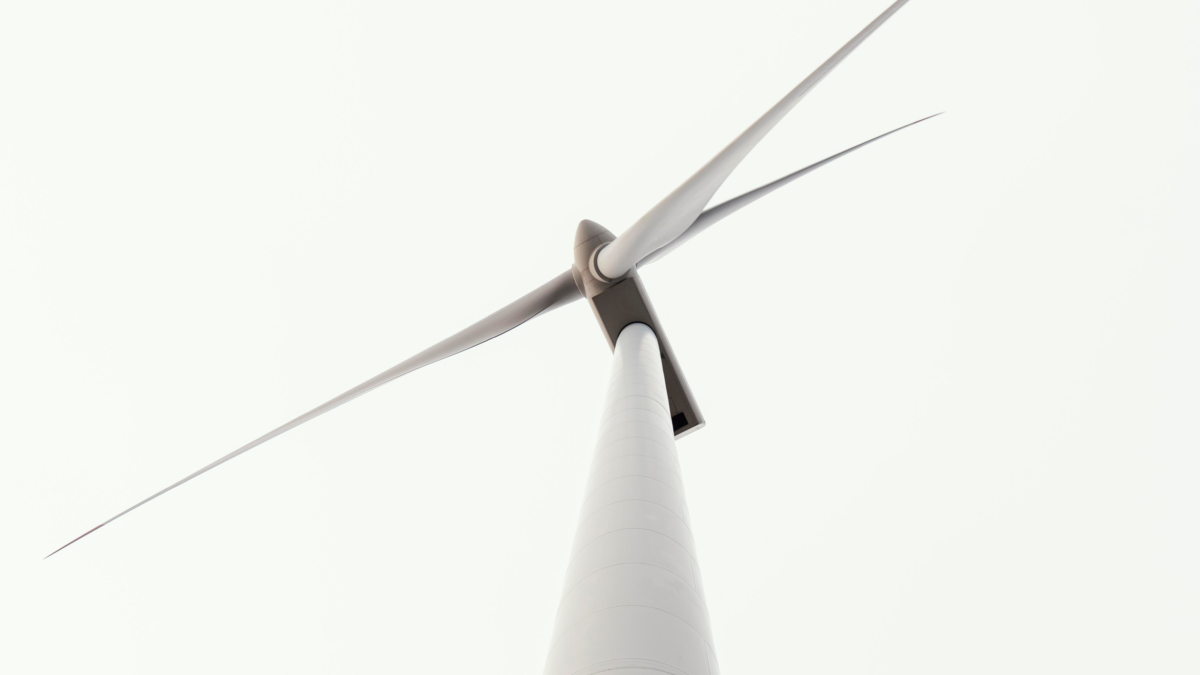
Energy storage also helps smooth fluctuations associated with renewable energy sources such as solar and wind power. By compensating for intermittent generation, battery systems enable greater integration of clean energy without compromising reliability.
As electricity networks continue evolving toward decentralized and renewable-based systems, energy storage will play an increasingly important role in supporting resilient and efficient power infrastructure.
Energia believes that battery storage is not only an energy asset but also a critical component of the future smart grid, enabling more reliable, flexible, and sustainable electricity systems.